false : parent::remove_attribute( $name ); } /** * Gets lowercase names of all attributes matching a given prefix in the current tag. * * Note that matching is case-insensitive. This is in accordance with the spec: * * > There must never be two or more attributes on * > the same start tag whose names are an ASCII * > case-insensitive match for each other. * - HTML 5 spec * * Example: * * $p = new WP_HTML_Tag_Processor( '
Test
' ); * $p->next_tag( array( 'class_name' => 'test' ) ) === true; * $p->get_attribute_names_with_prefix( 'data-' ) === array( 'data-enabled', 'data-test-id' ); * * $p->next_tag() === false; * $p->get_attribute_names_with_prefix( 'data-' ) === null; * * @since 6.6.0 Subclassed for the HTML Processor. * * @see https://html.spec.whatwg.org/multipage/syntax.html#attributes-2:ascii-case-insensitive * * @param string $prefix Prefix of requested attribute names. * @return array|null List of attribute names, or `null` when no tag opener is matched. */ public function get_attribute_names_with_prefix( $prefix ): ?array { return $this->is_virtual() ? null : parent::get_attribute_names_with_prefix( $prefix ); } /** * Adds a new class name to the currently matched tag. * * @since 6.6.0 Subclassed for the HTML Processor. * * @param string $class_name The class name to add. * @return bool Whether the class was set to be added. */ public function add_class( $class_name ): bool { return $this->is_virtual() ? false : parent::add_class( $class_name ); } /** * Removes a class name from the currently matched tag. * * @since 6.6.0 Subclassed for the HTML Processor. * * @param string $class_name The class name to remove. * @return bool Whether the class was set to be removed. */ public function remove_class( $class_name ): bool { return $this->is_virtual() ? false : parent::remove_class( $class_name ); } /** * Returns if a matched tag contains the given ASCII case-insensitive class name. * * @since 6.6.0 Subclassed for the HTML Processor. * * @todo When reconstructing active formatting elements with attributes, find a way * to indicate if the virtually-reconstructed formatting elements contain the * wanted class name. * * @param string $wanted_class Look for this CSS class name, ASCII case-insensitive. * @return bool|null Whether the matched tag contains the given class name, or null if not matched. */ public function has_class( $wanted_class ): ?bool { return $this->is_virtual() ? null : parent::has_class( $wanted_class ); } /** * Generator for a foreach loop to step through each class name for the matched tag. * * This generator function is designed to be used inside a "foreach" loop. * * Example: * * $p = WP_HTML_Processor::create_fragment( "
" ); * $p->next_tag(); * foreach ( $p->class_list() as $class_name ) { * echo "{$class_name} "; * } * // Outputs: "free lang-en " * * @since 6.6.0 Subclassed for the HTML Processor. */ public function class_list() { return $this->is_virtual() ? null : parent::class_list(); } /** * Returns the modifiable text for a matched token, or an empty string. * * Modifiable text is text content that may be read and changed without * changing the HTML structure of the document around it. This includes * the contents of `#text` nodes in the HTML as well as the inner * contents of HTML comments, Processing Instructions, and others, even * though these nodes aren't part of a parsed DOM tree. They also contain * the contents of SCRIPT and STYLE tags, of TEXTAREA tags, and of any * other section in an HTML document which cannot contain HTML markup (DATA). * * If a token has no modifiable text then an empty string is returned to * avoid needless crashing or type errors. An empty string does not mean * that a token has modifiable text, and a token with modifiable text may * have an empty string (e.g. a comment with no contents). * * @since 6.6.0 Subclassed for the HTML Processor. * * @return string */ public function get_modifiable_text(): string { return $this->is_virtual() ? '' : parent::get_modifiable_text(); } /** * Indicates what kind of comment produced the comment node. * * Because there are different kinds of HTML syntax which produce * comments, the Tag Processor tracks and exposes this as a type * for the comment. Nominally only regular HTML comments exist as * they are commonly known, but a number of unrelated syntax errors * also produce comments. * * @see self::COMMENT_AS_ABRUPTLY_CLOSED_COMMENT * @see self::COMMENT_AS_CDATA_LOOKALIKE * @see self::COMMENT_AS_INVALID_HTML * @see self::COMMENT_AS_HTML_COMMENT * @see self::COMMENT_AS_PI_NODE_LOOKALIKE * * @since 6.6.0 Subclassed for the HTML Processor. * * @return string|null */ public function get_comment_type(): ?string { return $this->is_virtual() ? null : parent::get_comment_type(); } /** * Removes a bookmark that is no longer needed. * * Releasing a bookmark frees up the small * performance overhead it requires. * * @since 6.4.0 * * @param string $bookmark_name Name of the bookmark to remove. * @return bool Whether the bookmark already existed before removal. */ public function release_bookmark( $bookmark_name ): bool { return parent::release_bookmark( "_{$bookmark_name}" ); } /** * Moves the internal cursor in the HTML Processor to a given bookmark's location. * * Be careful! Seeking backwards to a previous location resets the parser to the * start of the document and reparses the entire contents up until it finds the * sought-after bookmarked location. * * In order to prevent accidental infinite loops, there's a * maximum limit on the number of times seek() can be called. * * @throws Exception When unable to allocate a bookmark for the next token in the input HTML document. * * @since 6.4.0 * * @param string $bookmark_name Jump to the place in the document identified by this bookmark name. * @return bool Whether the internal cursor was successfully moved to the bookmark's location. */ public function seek( $bookmark_name ): bool { // Flush any pending updates to the document before beginning. $this->get_updated_html(); $actual_bookmark_name = "_{$bookmark_name}"; $processor_started_at = $this->state->current_token ? $this->bookmarks[ $this->state->current_token->bookmark_name ]->start : 0; $bookmark_starts_at = $this->bookmarks[ $actual_bookmark_name ]->start; $direction = $bookmark_starts_at > $processor_started_at ? 'forward' : 'backward'; /* * If seeking backwards, it's possible that the sought-after bookmark exists within an element * which has been closed before the current cursor; in other words, it has already been removed * from the stack of open elements. This means that it's insufficient to simply pop off elements * from the stack of open elements which appear after the bookmarked location and then jump to * that location, as the elements which were open before won't be re-opened. * * In order to maintain consistency, the HTML Processor rewinds to the start of the document * and reparses everything until it finds the sought-after bookmark. * * There are potentially better ways to do this: cache the parser state for each bookmark and * restore it when seeking; store an immutable and idempotent register of where elements open * and close. * * If caching the parser state it will be essential to properly maintain the cached stack of * open elements and active formatting elements when modifying the document. This could be a * tedious and time-consuming process as well, and so for now will not be performed. * * It may be possible to track bookmarks for where elements open and close, and in doing so * be able to quickly recalculate breadcrumbs for any element in the document. It may even * be possible to remove the stack of open elements and compute it on the fly this way. * If doing this, the parser would need to track the opening and closing locations for all * tokens in the breadcrumb path for any and all bookmarks. By utilizing bookmarks themselves * this list could be automatically maintained while modifying the document. Finding the * breadcrumbs would then amount to traversing that list from the start until the token * being inspected. Once an element closes, if there are no bookmarks pointing to locations * within that element, then all of these locations may be forgotten to save on memory use * and computation time. */ if ( 'backward' === $direction ) { /* * When moving backward, stateful stacks should be cleared. */ foreach ( $this->state->stack_of_open_elements->walk_up() as $item ) { $this->state->stack_of_open_elements->remove_node( $item ); } foreach ( $this->state->active_formatting_elements->walk_up() as $item ) { $this->state->active_formatting_elements->remove_node( $item ); } /* * **After** clearing stacks, more processor state can be reset. * This must be done after clearing the stack because those stacks generate events that * would appear on a subsequent call to `next_token()`. */ $this->state->frameset_ok = true; $this->state->stack_of_template_insertion_modes = array(); $this->state->head_element = null; $this->state->form_element = null; $this->state->current_token = null; $this->current_element = null; $this->element_queue = array(); /* * The absence of a context node indicates a full parse. * The presence of a context node indicates a fragment parser. */ if ( null === $this->context_node ) { $this->change_parsing_namespace( 'html' ); $this->state->insertion_mode = WP_HTML_Processor_State::INSERTION_MODE_INITIAL; $this->breadcrumbs = array(); $this->bookmarks['initial'] = new WP_HTML_Span( 0, 0 ); parent::seek( 'initial' ); unset( $this->bookmarks['initial'] ); } else { /* * Push the root-node (HTML) back onto the stack of open elements. * * Fragment parsers require this extra bit of setup. * It's handled in full parsers by advancing the processor state. */ $this->state->stack_of_open_elements->push( new WP_HTML_Token( 'root-node', 'HTML', false ) ); $this->change_parsing_namespace( $this->context_node->integration_node_type ? 'html' : $this->context_node->namespace ); if ( 'TEMPLATE' === $this->context_node->node_name ) { $this->state->stack_of_template_insertion_modes[] = WP_HTML_Processor_State::INSERTION_MODE_IN_TEMPLATE; } $this->reset_insertion_mode_appropriately(); $this->breadcrumbs = array_slice( $this->breadcrumbs, 0, 2 ); parent::seek( $this->context_node->bookmark_name ); } } /* * Here, the processor moves forward through the document until it matches the bookmark. * do-while is used here because the processor is expected to already be stopped on * a token than may match the bookmarked location. */ do { /* * The processor will stop on virtual tokens, but bookmarks may not be set on them. * They should not be matched when seeking a bookmark, skip them. */ if ( $this->is_virtual() ) { continue; } if ( $bookmark_starts_at === $this->bookmarks[ $this->state->current_token->bookmark_name ]->start ) { return true; } } while ( $this->next_token() ); return false; } /** * Sets a bookmark in the HTML document. * * Bookmarks represent specific places or tokens in the HTML * document, such as a tag opener or closer. When applying * edits to a document, such as setting an attribute, the * text offsets of that token may shift; the bookmark is * kept updated with those shifts and remains stable unless * the entire span of text in which the token sits is removed. * * Release bookmarks when they are no longer needed. * * Example: * *

Surprising fact you may not know!

* ^ ^ * \-|-- this `H2` opener bookmark tracks the token * *

Surprising fact you may no… * ^ ^ * \-|-- it shifts with edits * * Bookmarks provide the ability to seek to a previously-scanned * place in the HTML document. This avoids the need to re-scan * the entire document. * * Example: * *
  • One
  • Two
  • Three
* ^^^^ * want to note this last item * * $p = new WP_HTML_Tag_Processor( $html ); * $in_list = false; * while ( $p->next_tag( array( 'tag_closers' => $in_list ? 'visit' : 'skip' ) ) ) { * if ( 'UL' === $p->get_tag() ) { * if ( $p->is_tag_closer() ) { * $in_list = false; * $p->set_bookmark( 'resume' ); * if ( $p->seek( 'last-li' ) ) { * $p->add_class( 'last-li' ); * } * $p->seek( 'resume' ); * $p->release_bookmark( 'last-li' ); * $p->release_bookmark( 'resume' ); * } else { * $in_list = true; * } * } * * if ( 'LI' === $p->get_tag() ) { * $p->set_bookmark( 'last-li' ); * } * } * * Bookmarks intentionally hide the internal string offsets * to which they refer. They are maintained internally as * updates are applied to the HTML document and therefore * retain their "position" - the location to which they * originally pointed. The inability to use bookmarks with * functions like `substr` is therefore intentional to guard * against accidentally breaking the HTML. * * Because bookmarks allocate memory and require processing * for every applied update, they are limited and require * a name. They should not be created with programmatically-made * names, such as "li_{$index}" with some loop. As a general * rule they should only be created with string-literal names * like "start-of-section" or "last-paragraph". * * Bookmarks are a powerful tool to enable complicated behavior. * Consider double-checking that you need this tool if you are * reaching for it, as inappropriate use could lead to broken * HTML structure or unwanted processing overhead. * * Bookmarks cannot be set on tokens that do no appear in the original * HTML text. For example, the HTML `
` stops at tags `TABLE`, * `TBODY`, `TR`, and `TD`. The `TBODY` and `TR` tags do not appear in * the original HTML and cannot be used as bookmarks. * * @since 6.4.0 * * @param string $bookmark_name Identifies this particular bookmark. * @return bool Whether the bookmark was successfully created. */ public function set_bookmark( $bookmark_name ): bool { if ( $this->is_virtual() ) { _doing_it_wrong( __METHOD__, __( 'Cannot set bookmarks on tokens that do no appear in the original HTML text.' ), '6.8.0' ); return false; } return parent::set_bookmark( "_{$bookmark_name}" ); } /** * Checks whether a bookmark with the given name exists. * * @since 6.5.0 * * @param string $bookmark_name Name to identify a bookmark that potentially exists. * @return bool Whether that bookmark exists. */ public function has_bookmark( $bookmark_name ): bool { return parent::has_bookmark( "_{$bookmark_name}" ); } /* * HTML Parsing Algorithms */ /** * Closes a P element. * * @since 6.4.0 * * @throws WP_HTML_Unsupported_Exception When encountering unsupported HTML input. * * @see https://html.spec.whatwg.org/#close-a-p-element */ private function close_a_p_element(): void { $this->generate_implied_end_tags( 'P' ); $this->state->stack_of_open_elements->pop_until( 'P' ); } /** * Closes elements that have implied end tags. * * @since 6.4.0 * @since 6.7.0 Full spec support. * * @see https://html.spec.whatwg.org/#generate-implied-end-tags * * @param string|null $except_for_this_element Perform as if this element doesn't exist in the stack of open elements. */ private function generate_implied_end_tags( ?string $except_for_this_element = null ): void { $elements_with_implied_end_tags = array( 'DD', 'DT', 'LI', 'OPTGROUP', 'OPTION', 'P', 'RB', 'RP', 'RT', 'RTC', ); $no_exclusions = ! isset( $except_for_this_element ); while ( ( $no_exclusions || ! $this->state->stack_of_open_elements->current_node_is( $except_for_this_element ) ) && in_array( $this->state->stack_of_open_elements->current_node()->node_name, $elements_with_implied_end_tags, true ) ) { $this->state->stack_of_open_elements->pop(); } } /** * Closes elements that have implied end tags, thoroughly. * * See the HTML specification for an explanation why this is * different from generating end tags in the normal sense. * * @since 6.4.0 * @since 6.7.0 Full spec support. * * @see WP_HTML_Processor::generate_implied_end_tags * @see https://html.spec.whatwg.org/#generate-implied-end-tags */ private function generate_implied_end_tags_thoroughly(): void { $elements_with_implied_end_tags = array( 'CAPTION', 'COLGROUP', 'DD', 'DT', 'LI', 'OPTGROUP', 'OPTION', 'P', 'RB', 'RP', 'RT', 'RTC', 'TBODY', 'TD', 'TFOOT', 'TH', 'THEAD', 'TR', ); while ( in_array( $this->state->stack_of_open_elements->current_node()->node_name, $elements_with_implied_end_tags, true ) ) { $this->state->stack_of_open_elements->pop(); } } /** * Returns the adjusted current node. * * > The adjusted current node is the context element if the parser was created as * > part of the HTML fragment parsing algorithm and the stack of open elements * > has only one element in it (fragment case); otherwise, the adjusted current * > node is the current node. * * @see https://html.spec.whatwg.org/#adjusted-current-node * * @since 6.7.0 * * @return WP_HTML_Token|null The adjusted current node. */ private function get_adjusted_current_node(): ?WP_HTML_Token { if ( isset( $this->context_node ) && 1 === $this->state->stack_of_open_elements->count() ) { return $this->context_node; } return $this->state->stack_of_open_elements->current_node(); } /** * Reconstructs the active formatting elements. * * > This has the effect of reopening all the formatting elements that were opened * > in the current body, cell, or caption (whichever is youngest) that haven't * > been explicitly closed. * * @since 6.4.0 * * @throws WP_HTML_Unsupported_Exception When encountering unsupported HTML input. * * @see https://html.spec.whatwg.org/#reconstruct-the-active-formatting-elements * * @return bool Whether any formatting elements needed to be reconstructed. */ private function reconstruct_active_formatting_elements(): bool { /* * > If there are no entries in the list of active formatting elements, then there is nothing * > to reconstruct; stop this algorithm. */ if ( 0 === $this->state->active_formatting_elements->count() ) { return false; } $last_entry = $this->state->active_formatting_elements->current_node(); if ( /* * > If the last (most recently added) entry in the list of active formatting elements is a marker; * > stop this algorithm. */ 'marker' === $last_entry->node_name || /* * > If the last (most recently added) entry in the list of active formatting elements is an * > element that is in the stack of open elements, then there is nothing to reconstruct; * > stop this algorithm. */ $this->state->stack_of_open_elements->contains_node( $last_entry ) ) { return false; } $this->bail( 'Cannot reconstruct active formatting elements when advancing and rewinding is required.' ); } /** * Runs the reset the insertion mode appropriately algorithm. * * @since 6.7.0 * * @see https://html.spec.whatwg.org/multipage/parsing.html#reset-the-insertion-mode-appropriately */ private function reset_insertion_mode_appropriately(): void { // Set the first node. $first_node = null; foreach ( $this->state->stack_of_open_elements->walk_down() as $first_node ) { break; } /* * > 1. Let _last_ be false. */ $last = false; foreach ( $this->state->stack_of_open_elements->walk_up() as $node ) { /* * > 2. Let _node_ be the last node in the stack of open elements. * > 3. _Loop_: If _node_ is the first node in the stack of open elements, then set _last_ * > to true, and, if the parser was created as part of the HTML fragment parsing * > algorithm (fragment case), set node to the context element passed to * > that algorithm. * > … */ if ( $node === $first_node ) { $last = true; if ( isset( $this->context_node ) ) { $node = $this->context_node; } } // All of the following rules are for matching HTML elements. if ( 'html' !== $node->namespace ) { continue; } switch ( $node->node_name ) { /* * > 4. If node is a `select` element, run these substeps: * > 1. If _last_ is true, jump to the step below labeled done. * > 2. Let _ancestor_ be _node_. * > 3. _Loop_: If _ancestor_ is the first node in the stack of open elements, * > jump to the step below labeled done. * > 4. Let ancestor be the node before ancestor in the stack of open elements. * > … * > 7. Jump back to the step labeled _loop_. * > 8. _Done_: Switch the insertion mode to "in select" and return. */ case 'SELECT': if ( ! $last ) { foreach ( $this->state->stack_of_open_elements->walk_up( $node ) as $ancestor ) { if ( 'html' !== $ancestor->namespace ) { continue; } switch ( $ancestor->node_name ) { /* * > 5. If _ancestor_ is a `template` node, jump to the step below * > labeled _done_. */ case 'TEMPLATE': break 2; /* * > 6. If _ancestor_ is a `table` node, switch the insertion mode to * > "in select in table" and return. */ case 'TABLE': $this->state->insertion_mode = WP_HTML_Processor_State::INSERTION_MODE_IN_SELECT_IN_TABLE; return; } } } $this->state->insertion_mode = WP_HTML_Processor_State::INSERTION_MODE_IN_SELECT; return; /* * > 5. If _node_ is a `td` or `th` element and _last_ is false, then switch the * > insertion mode to "in cell" and return. */ case 'TD': case 'TH': if ( ! $last ) { $this->state->insertion_mode = WP_HTML_Processor_State::INSERTION_MODE_IN_CELL; return; } break; /* * > 6. If _node_ is a `tr` element, then switch the insertion mode to "in row" * > and return. */ case 'TR': $this->state->insertion_mode = WP_HTML_Processor_State::INSERTION_MODE_IN_ROW; return; /* * > 7. If _node_ is a `tbody`, `thead`, or `tfoot` element, then switch the * > insertion mode to "in table body" and return. */ case 'TBODY': case 'THEAD': case 'TFOOT': $this->state->insertion_mode = WP_HTML_Processor_State::INSERTION_MODE_IN_TABLE_BODY; return; /* * > 8. If _node_ is a `caption` element, then switch the insertion mode to * > "in caption" and return. */ case 'CAPTION': $this->state->insertion_mode = WP_HTML_Processor_State::INSERTION_MODE_IN_CAPTION; return; /* * > 9. If _node_ is a `colgroup` element, then switch the insertion mode to * > "in column group" and return. */ case 'COLGROUP': $this->state->insertion_mode = WP_HTML_Processor_State::INSERTION_MODE_IN_COLUMN_GROUP; return; /* * > 10. If _node_ is a `table` element, then switch the insertion mode to * > "in table" and return. */ case 'TABLE': $this->state->insertion_mode = WP_HTML_Processor_State::INSERTION_MODE_IN_TABLE; return; /* * > 11. If _node_ is a `template` element, then switch the insertion mode to the * > current template insertion mode and return. */ case 'TEMPLATE': $this->state->insertion_mode = end( $this->state->stack_of_template_insertion_modes ); return; /* * > 12. If _node_ is a `head` element and _last_ is false, then switch the * > insertion mode to "in head" and return. */ case 'HEAD': if ( ! $last ) { $this->state->insertion_mode = WP_HTML_Processor_State::INSERTION_MODE_IN_HEAD; return; } break; /* * > 13. If _node_ is a `body` element, then switch the insertion mode to "in body" * > and return. */ case 'BODY': $this->state->insertion_mode = WP_HTML_Processor_State::INSERTION_MODE_IN_BODY; return; /* * > 14. If _node_ is a `frameset` element, then switch the insertion mode to * > "in frameset" and return. (fragment case) */ case 'FRAMESET': $this->state->insertion_mode = WP_HTML_Processor_State::INSERTION_MODE_IN_FRAMESET; return; /* * > 15. If _node_ is an `html` element, run these substeps: * > 1. If the head element pointer is null, switch the insertion mode to * > "before head" and return. (fragment case) * > 2. Otherwise, the head element pointer is not null, switch the insertion * > mode to "after head" and return. */ case 'HTML': $this->state->insertion_mode = isset( $this->state->head_element ) ? WP_HTML_Processor_State::INSERTION_MODE_AFTER_HEAD : WP_HTML_Processor_State::INSERTION_MODE_BEFORE_HEAD; return; } } /* * > 16. If _last_ is true, then switch the insertion mode to "in body" * > and return. (fragment case) * * This is only reachable if `$last` is true, as per the fragment parsing case. */ $this->state->insertion_mode = WP_HTML_Processor_State::INSERTION_MODE_IN_BODY; } /** * Runs the adoption agency algorithm. * * @since 6.4.0 * * @throws WP_HTML_Unsupported_Exception When encountering unsupported HTML input. * * @see https://html.spec.whatwg.org/#adoption-agency-algorithm */ private function run_adoption_agency_algorithm(): void { $budget = 1000; $subject = $this->get_tag(); $current_node = $this->state->stack_of_open_elements->current_node(); if ( // > If the current node is an HTML element whose tag name is subject $current_node && $subject === $current_node->node_name && // > the current node is not in the list of active formatting elements ! $this->state->active_formatting_elements->contains_node( $current_node ) ) { $this->state->stack_of_open_elements->pop(); return; } $outer_loop_counter = 0; while ( $budget-- > 0 ) { if ( $outer_loop_counter++ >= 8 ) { return; } /* * > Let formatting element be the last element in the list of active formatting elements that: * > - is between the end of the list and the last marker in the list, * > if any, or the start of the list otherwise, * > - and has the tag name subject. */ $formatting_element = null; foreach ( $this->state->active_formatting_elements->walk_up() as $item ) { if ( 'marker' === $item->node_name ) { break; } if ( $subject === $item->node_name ) { $formatting_element = $item; break; } } // > If there is no such element, then return and instead act as described in the "any other end tag" entry above. if ( null === $formatting_element ) { $this->bail( 'Cannot run adoption agency when "any other end tag" is required.' ); } // > If formatting element is not in the stack of open elements, then this is a parse error; remove the element from the list, and return. if ( ! $this->state->stack_of_open_elements->contains_node( $formatting_element ) ) { $this->state->active_formatting_elements->remove_node( $formatting_element ); return; } // > If formatting element is in the stack of open elements, but the element is not in scope, then this is a parse error; return. if ( ! $this->state->stack_of_open_elements->has_element_in_scope( $formatting_element->node_name ) ) { return; } /* * > Let furthest block be the topmost node in the stack of open elements that is lower in the stack * > than formatting element, and is an element in the special category. There might not be one. */ $is_above_formatting_element = true; $furthest_block = null; foreach ( $this->state->stack_of_open_elements->walk_down() as $item ) { if ( $is_above_formatting_element && $formatting_element->bookmark_name !== $item->bookmark_name ) { continue; } if ( $is_above_formatting_element ) { $is_above_formatting_element = false; continue; } if ( self::is_special( $item ) ) { $furthest_block = $item; break; } } /* * > If there is no furthest block, then the UA must first pop all the nodes from the bottom of the * > stack of open elements, from the current node up to and including formatting element, then * > remove formatting element from the list of active formatting elements, and finally return. */ if ( null === $furthest_block ) { foreach ( $this->state->stack_of_open_elements->walk_up() as $item ) { $this->state->stack_of_open_elements->pop(); if ( $formatting_element->bookmark_name === $item->bookmark_name ) { $this->state->active_formatting_elements->remove_node( $formatting_element ); return; } } } $this->bail( 'Cannot extract common ancestor in adoption agency algorithm.' ); } $this->bail( 'Cannot run adoption agency when looping required.' ); } /** * Runs the "close the cell" algorithm. * * > Where the steps above say to close the cell, they mean to run the following algorithm: * > 1. Generate implied end tags. * > 2. If the current node is not now a td element or a th element, then this is a parse error. * > 3. Pop elements from the stack of open elements stack until a td element or a th element has been popped from the stack. * > 4. Clear the list of active formatting elements up to the last marker. * > 5. Switch the insertion mode to "in row". * * @see https://html.spec.whatwg.org/multipage/parsing.html#close-the-cell * * @since 6.7.0 */ private function close_cell(): void { $this->generate_implied_end_tags(); // @todo Parse error if the current node is a "td" or "th" element. foreach ( $this->state->stack_of_open_elements->walk_up() as $element ) { $this->state->stack_of_open_elements->pop(); if ( 'TD' === $element->node_name || 'TH' === $element->node_name ) { break; } } $this->state->active_formatting_elements->clear_up_to_last_marker(); $this->state->insertion_mode = WP_HTML_Processor_State::INSERTION_MODE_IN_ROW; } /** * Inserts an HTML element on the stack of open elements. * * @since 6.4.0 * * @see https://html.spec.whatwg.org/#insert-a-foreign-element * * @param WP_HTML_Token $token Name of bookmark pointing to element in original input HTML. */ private function insert_html_element( WP_HTML_Token $token ): void { $this->state->stack_of_open_elements->push( $token ); } /** * Inserts a foreign element on to the stack of open elements. * * @since 6.7.0 * * @see https://html.spec.whatwg.org/#insert-a-foreign-element * * @param WP_HTML_Token $token Insert this token. The token's namespace and * insertion point will be updated correctly. * @param bool $only_add_to_element_stack Whether to skip the "insert an element at the adjusted * insertion location" algorithm when adding this element. */ private function insert_foreign_element( WP_HTML_Token $token, bool $only_add_to_element_stack ): void { $adjusted_current_node = $this->get_adjusted_current_node(); $token->namespace = $adjusted_current_node ? $adjusted_current_node->namespace : 'html'; if ( $this->is_mathml_integration_point() ) { $token->integration_node_type = 'math'; } elseif ( $this->is_html_integration_point() ) { $token->integration_node_type = 'html'; } if ( false === $only_add_to_element_stack ) { /* * @todo Implement the "appropriate place for inserting a node" and the * "insert an element at the adjusted insertion location" algorithms. * * These algorithms mostly impacts DOM tree construction and not the HTML API. * Here, there's no DOM node onto which the element will be appended, so the * parser will skip this step. * * @see https://html.spec.whatwg.org/#insert-an-element-at-the-adjusted-insertion-location */ } $this->insert_html_element( $token ); } /** * Inserts a virtual element on the stack of open elements. * * @since 6.7.0 * * @param string $token_name Name of token to create and insert into the stack of open elements. * @param string|null $bookmark_name Optional. Name to give bookmark for created virtual node. * Defaults to auto-creating a bookmark name. * @return WP_HTML_Token Newly-created virtual token. */ private function insert_virtual_node( $token_name, $bookmark_name = null ): WP_HTML_Token { $here = $this->bookmarks[ $this->state->current_token->bookmark_name ]; $name = $bookmark_name ?? $this->bookmark_token(); $this->bookmarks[ $name ] = new WP_HTML_Span( $here->start, 0 ); $token = new WP_HTML_Token( $name, $token_name, false ); $this->insert_html_element( $token ); return $token; } /* * HTML Specification Helpers */ /** * Indicates if the current token is a MathML integration point. * * @since 6.7.0 * * @see https://html.spec.whatwg.org/#mathml-text-integration-point * * @return bool Whether the current token is a MathML integration point. */ private function is_mathml_integration_point(): bool { $current_token = $this->state->current_token; if ( ! isset( $current_token ) ) { return false; } if ( 'math' !== $current_token->namespace || 'M' !== $current_token->node_name[0] ) { return false; } $tag_name = $current_token->node_name; return ( 'MI' === $tag_name || 'MO' === $tag_name || 'MN' === $tag_name || 'MS' === $tag_name || 'MTEXT' === $tag_name ); } /** * Indicates if the current token is an HTML integration point. * * Note that this method must be an instance method with access * to the current token, since it needs to examine the attributes * of the currently-matched tag, if it's in the MathML namespace. * Otherwise it would be required to scan the HTML and ensure that * no other accounting is overlooked. * * @since 6.7.0 * * @see https://html.spec.whatwg.org/#html-integration-point * * @return bool Whether the current token is an HTML integration point. */ private function is_html_integration_point(): bool { $current_token = $this->state->current_token; if ( ! isset( $current_token ) ) { return false; } if ( 'html' === $current_token->namespace ) { return false; } $tag_name = $current_token->node_name; if ( 'svg' === $current_token->namespace ) { return ( 'DESC' === $tag_name || 'FOREIGNOBJECT' === $tag_name || 'TITLE' === $tag_name ); } if ( 'math' === $current_token->namespace ) { if ( 'ANNOTATION-XML' !== $tag_name ) { return false; } $encoding = $this->get_attribute( 'encoding' ); return ( is_string( $encoding ) && ( 0 === strcasecmp( $encoding, 'application/xhtml+xml' ) || 0 === strcasecmp( $encoding, 'text/html' ) ) ); } $this->bail( 'Should not have reached end of HTML Integration Point detection: check HTML API code.' ); // This unnecessary return prevents tools from inaccurately reporting type errors. return false; } /** * Returns whether an element of a given name is in the HTML special category. * * @since 6.4.0 * * @see https://html.spec.whatwg.org/#special * * @param WP_HTML_Token|string $tag_name Node to check, or only its name if in the HTML namespace. * @return bool Whether the element of the given name is in the special category. */ public static function is_special( $tag_name ): bool { if ( is_string( $tag_name ) ) { $tag_name = strtoupper( $tag_name ); } else { $tag_name = 'html' === $tag_name->namespace ? strtoupper( $tag_name->node_name ) : "{$tag_name->namespace} {$tag_name->node_name}"; } return ( 'ADDRESS' === $tag_name || 'APPLET' === $tag_name || 'AREA' === $tag_name || 'ARTICLE' === $tag_name || 'ASIDE' === $tag_name || 'BASE' === $tag_name || 'BASEFONT' === $tag_name || 'BGSOUND' === $tag_name || 'BLOCKQUOTE' === $tag_name || 'BODY' === $tag_name || 'BR' === $tag_name || 'BUTTON' === $tag_name || 'CAPTION' === $tag_name || 'CENTER' === $tag_name || 'COL' === $tag_name || 'COLGROUP' === $tag_name || 'DD' === $tag_name || 'DETAILS' === $tag_name || 'DIR' === $tag_name || 'DIV' === $tag_name || 'DL' === $tag_name || 'DT' === $tag_name || 'EMBED' === $tag_name || 'FIELDSET' === $tag_name || 'FIGCAPTION' === $tag_name || 'FIGURE' === $tag_name || 'FOOTER' === $tag_name || 'FORM' === $tag_name || 'FRAME' === $tag_name || 'FRAMESET' === $tag_name || 'H1' === $tag_name || 'H2' === $tag_name || 'H3' === $tag_name || 'H4' === $tag_name || 'H5' === $tag_name || 'H6' === $tag_name || 'HEAD' === $tag_name || 'HEADER' === $tag_name || 'HGROUP' === $tag_name || 'HR' === $tag_name || 'HTML' === $tag_name || 'IFRAME' === $tag_name || 'IMG' === $tag_name || 'INPUT' === $tag_name || 'KEYGEN' === $tag_name || 'LI' === $tag_name || 'LINK' === $tag_name || 'LISTING' === $tag_name || 'MAIN' === $tag_name || 'MARQUEE' === $tag_name || 'MENU' === $tag_name || 'META' === $tag_name || 'NAV' === $tag_name || 'NOEMBED' === $tag_name || 'NOFRAMES' === $tag_name || 'NOSCRIPT' === $tag_name || 'OBJECT' === $tag_name || 'OL' === $tag_name || 'P' === $tag_name || 'PARAM' === $tag_name || 'PLAINTEXT' === $tag_name || 'PRE' === $tag_name || 'SCRIPT' === $tag_name || 'SEARCH' === $tag_name || 'SECTION' === $tag_name || 'SELECT' === $tag_name || 'SOURCE' === $tag_name || 'STYLE' === $tag_name || 'SUMMARY' === $tag_name || 'TABLE' === $tag_name || 'TBODY' === $tag_name || 'TD' === $tag_name || 'TEMPLATE' === $tag_name || 'TEXTAREA' === $tag_name || 'TFOOT' === $tag_name || 'TH' === $tag_name || 'THEAD' === $tag_name || 'TITLE' === $tag_name || 'TR' === $tag_name || 'TRACK' === $tag_name || 'UL' === $tag_name || 'WBR' === $tag_name || 'XMP' === $tag_name || // MathML. 'math MI' === $tag_name || 'math MO' === $tag_name || 'math MN' === $tag_name || 'math MS' === $tag_name || 'math MTEXT' === $tag_name || 'math ANNOTATION-XML' === $tag_name || // SVG. 'svg DESC' === $tag_name || 'svg FOREIGNOBJECT' === $tag_name || 'svg TITLE' === $tag_name ); } /** * Returns whether a given element is an HTML Void Element * * > area, base, br, col, embed, hr, img, input, link, meta, source, track, wbr * * @since 6.4.0 * * @see https://html.spec.whatwg.org/#void-elements * * @param string $tag_name Name of HTML tag to check. * @return bool Whether the given tag is an HTML Void Element. */ public static function is_void( $tag_name ): bool { $tag_name = strtoupper( $tag_name ); return ( 'AREA' === $tag_name || 'BASE' === $tag_name || 'BASEFONT' === $tag_name || // Obsolete but still treated as void. 'BGSOUND' === $tag_name || // Obsolete but still treated as void. 'BR' === $tag_name || 'COL' === $tag_name || 'EMBED' === $tag_name || 'FRAME' === $tag_name || 'HR' === $tag_name || 'IMG' === $tag_name || 'INPUT' === $tag_name || 'KEYGEN' === $tag_name || // Obsolete but still treated as void. 'LINK' === $tag_name || 'META' === $tag_name || 'PARAM' === $tag_name || // Obsolete but still treated as void. 'SOURCE' === $tag_name || 'TRACK' === $tag_name || 'WBR' === $tag_name ); } /** * Gets an encoding from a given string. * * This is an algorithm defined in the WHAT-WG specification. * * Example: * * 'UTF-8' === self::get_encoding( 'utf8' ); * 'UTF-8' === self::get_encoding( " \tUTF-8 " ); * null === self::get_encoding( 'UTF-7' ); * null === self::get_encoding( 'utf8; charset=' ); * * @see https://encoding.spec.whatwg.org/#concept-encoding-get * * @todo As this parser only supports UTF-8, only the UTF-8 * encodings are detected. Add more as desired, but the * parser will bail on non-UTF-8 encodings. * * @since 6.7.0 * * @param string $label A string which may specify a known encoding. * @return string|null Known encoding if matched, otherwise null. */ protected static function get_encoding( string $label ): ?string { /* * > Remove any leading and trailing ASCII whitespace from label. */ $label = trim( $label, " \t\f\r\n" ); /* * > If label is an ASCII case-insensitive match for any of the labels listed in the * > table below, then return the corresponding encoding; otherwise return failure. */ switch ( strtolower( $label ) ) { case 'unicode-1-1-utf-8': case 'unicode11utf8': case 'unicode20utf8': case 'utf-8': case 'utf8': case 'x-unicode20utf8': return 'UTF-8'; default: return null; } } /* * Constants that would pollute the top of the class if they were found there. */ /** * Indicates that the next HTML token should be parsed and processed. * * @since 6.4.0 * * @var string */ const PROCESS_NEXT_NODE = 'process-next-node'; /** * Indicates that the current HTML token should be reprocessed in the newly-selected insertion mode. * * @since 6.4.0 * * @var string */ const REPROCESS_CURRENT_NODE = 'reprocess-current-node'; /** * Indicates that the current HTML token should be processed without advancing the parser. * * @since 6.5.0 * * @var string */ const PROCESS_CURRENT_NODE = 'process-current-node'; /** * Indicates that the parser encountered unsupported markup and has bailed. * * @since 6.4.0 * * @var string */ const ERROR_UNSUPPORTED = 'unsupported'; /** * Indicates that the parser encountered more HTML tokens than it * was able to process and has bailed. * * @since 6.4.0 * * @var string */ const ERROR_EXCEEDED_MAX_BOOKMARKS = 'exceeded-max-bookmarks'; /** * Unlock code that must be passed into the constructor to create this class. * * This class extends the WP_HTML_Tag_Processor, which has a public class * constructor. Therefore, it's not possible to have a private constructor here. * * This unlock code is used to ensure that anyone calling the constructor is * doing so with a full understanding that it's intended to be a private API. * * @access private */ const CONSTRUCTOR_UNLOCK_CODE = 'Use WP_HTML_Processor::create_fragment() instead of calling the class constructor directly.'; } تخلیه ژل لب : هزینه تخلیه ژل لب | معرفی تخصصی ژل های هیالورونیک اسید ، انواع بوتاکس و مزو تراپی ها در نیک مد

تخلیه ژل لب : هزینه تخلیه ژل لب

کانتورینگ صورت - مادلینگ صورت
کانتورینگ صورت چیست؟ تفاوت کانتورینگ و مادلینگ؟

۵ روش برتر برای کاهش علائم پیری در سال ۲۰۲۵
کانتورینگ صورت - مادلینگ صورت
کانتورینگ صورت چیست؟ تفاوت کانتورینگ و مادلینگ؟
۵ روش برتر برای کاهش علائم پیری در سال ۲۰۲۵

تخلیه ژل لب : هزینه تخلیه ژل لب
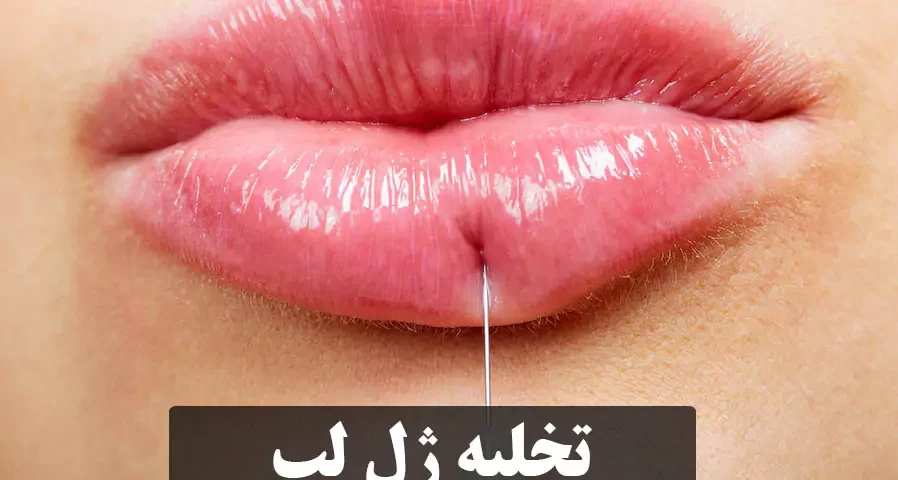
تخلیه ژل لب

در دنیای زیبایی و پزشکی، تزریق ژل لب به عنوان یکی از محبوب ترین روش ها برای بهبود فرم و حجم لب ها شناخته می شود. اما گاهی اوقات، برخی افراد ممکن است تصمیم بگیرند که ژل لب خود را تخلیه کنند. این فرآیند ممکن است به دلایل مختلفی از جمله عوارض جانبی، تغییرات ناخواسته در ظاهر لب ها یا مشکلات دیگر انجام شود. در این مقاله، به بررسی کامل فرآیند تخلیه ژل لب خواهیم پرداخت، و به تمام سوالات و دغدغه هایی که ممکن است در این زمینه داشته باشید، پاسخ خواهیم داد.

تخلیه ژل لب چیست؟

تخلیه ژل لب به معنای خارج کردن مواد تزریقی (معمولاً هیالورونیک اسید) از لب ها است. این فرآیند در مواقعی که نتیجه ی تزریق ژل به دلایلی نامطلوب بوده یا فرد تصمیم به بازگشت به حالت طبیعی خود دارد، انجام می شود. در واقع، تخلیه ژل لب به طور عمده شامل استفاده از آنزیم هایی است که مواد ژل را تجزیه کرده و آن ها را از بدن خارج می کنند.

اگرچه روش های مختلفی برای تغییر ظاهر لب ها وجود دارد، تخلیه ژل لب از نظر سرعت و نتیجه یکی از ساده ترین و موثرترین روش هاست.

دلایل تخلیه ژل لب

دلایل مختلفی برای تصمیم گیری به تخلیه ژل لب وجود دارد. در این بخش به مهم ترین آن ها می پردازیم:

نتایج غیرطبیعی یا غیر دلخواه: برخی افراد بعد از تزریق ژل به لب ها احساس می کنند که نتیجه به دست آمده طبیعی نیست یا از آنچه که انتظار داشتند، دور است. در این مواقع، تخلیه ژل می تواند بهترین راه حل باشد.

عوارض جانبی: در برخی موارد، افراد ممکن است پس از تزریق ژل دچار تورم، کبودی، یا حساسیت های پوستی شوند. در چنین شرایطی، تخلیه ژل می تواند کمک کننده باشد.

خواسته های زیبایی شناختی: ممکن است فرد به دلایل زیبایی تصمیم به بازگشت به فرم اولیه لب ها داشته باشد.

حساسیت به مواد ژل: برخی افراد ممکن است نسبت به مواد هیالورونیک اسید یا سایر مواد مورد استفاده در ژل لب حساسیت نشان دهند، که در این صورت تخلیه ژل به سرعت توصیه می شود.

تغییرات در ظاهر لب ها با گذشت زمان: گاهی اوقات، تغییرات طبیعی یا افزایش سن می تواند سبب تغییر در شکل لب ها شود و فرد بخواهد ژل تزریقی را تخلیه کند تا به حالت طبیعی برگردد.

روش های تخلیه ژل لب

تخلیه ژل لب به طور کلی فرآیندی غیرجراحی و بی خطر است که به روش های مختلفی انجام می شود. این روش ها عمدتاً به نوع ژل تزریقی و شرایط خاص هر بیمار بستگی دارند. در این بخش، به بررسی روش های رایج تخلیه ژل لب خواهیم پرداخت و توضیح خواهیم داد که کدام روش برای چه شرایطی مناسب است.

۱٫ استفاده از آنزیم هیالورونیداز

یکی از اصلی ترین و رایج ترین روش های تخلیه ژل لب، استفاده از آنزیم هیالورونیداز است. هیالورونیداز یک آنزیم طبیعی است که قادر است هیالورونیک اسید (ماده ای که در بیشتر ژل های تزریقی لب وجود دارد) را تجزیه کند. لیست ژلهای مورد تایید وزارت بهداشت

فرآیند استفاده از هیالاز برای تجزیه ژل :

تزریق هیالورونیداز : این آنزیم به طور مستقیم به ناحیه ای که ژل لب تزریق شده، وارد می شود.

عملکرد آنزیم: هیالورونیداز با شکستن پیوندهای شیمیایی ژل، آن را به مولکول های کوچکتری تبدیل می کند که سپس توسط بدن جذب و دفع می شوند.

نتیجه سریع: این روش بسیار سریع است و معمولاً ظرف چند ساعت یا نهایتاً چند روز نتایج خود را نشان می دهد.

مزایا:

سریع ترین و مؤثرترین روش برای تخلیه ژل لب است.

درد و ناراحتی کمتری نسبت به روش های دیگر دارد.

نتایج معمولاً در عرض ۲۴ ساعت قابل مشاهده هستند.

معایب:

نیاز به انجام آن توسط یک پزشک مجرب و متخصص دارد تا از بروز عوارض جلوگیری شود.

ممکن است در برخی افراد حساسیت یا واکنش آلرژیک به هیالورونیداز ایجاد شود، اگرچه این موارد نادر هستند.

۲٫ روش های جراحی (در موارد خاص)

اگر ژل لب به روش های غیره ای مانند هیالورونیداز تخلیه نشود یا فرد بخواهد ژل را به طور کامل و سریع خارج کند، پزشکان ممکن است از روش های جراحی استفاده کنند. این روش ها در شرایط خاص، نظیر زمانی که ژل در زیر پوست به طور نامناسب توزیع شده یا گره گرفتگی های ژل وجود دارد، به کار می روند.

فرآیند جراحی برای تخلیه ژل:

برش کوچک: در این روش، یک برش کوچک در ناحیه لب ایجاد می شود تا ژل لب به طور دستی از بدن خارج شود.

دفع ژل: ژل خارج شده و سپس محل برش بخیه زده می شود.

مزایا:

این روش برای تخلیه کامل و به طور دائم ژل مناسب است.

در مواقعی که ژل در عمق پوست تجمع کرده و روش های غیرجراحی جواب نداده اند، موثر است.

معایب:

این روش نیاز به بی حسی موضعی یا حتی بیهوشی عمومی دارد.

زمان بهبودی طولانی تری دارد و ممکن است با درد و تورم همراه باشد.

احتمال عفونت یا عوارض ناشی از جراحی وجود دارد.

۳٫ تخلیه ژل با استفاده از روش های مکانیکی (فشار و ماساژ)

در برخی موارد، زمانی که مقدار ژل کم باشد و تنها در لایه های سطحی پوست قرار داشته باشد، می توان از فشار و ماساژ ملایم برای تخلیه آن استفاده کرد. این روش بیشتر در مواردی کاربرد دارد که فرد به دنبال تخلیه ژل به صورت جزئی است و نه کاملاً.

فرآیند:

فشار ملایم: پزشک یا متخصص زیبایی با اعمال فشار ملایم به ناحیه لب، سعی در تخلیه ژل از بدن دارد.

ماساژ دستی: ماساژ دادن به منطقه برای کمک به جذب و تجزیه ژل توسط بدن انجام می شود.

مزایا:

فرآیند غیرتهاجمی است و هیچ گونه برش یا تزریقی در کار نیست.

بیشتر برای ژل های سطحی مناسب است.

نیازی به بی حسی یا داروهای مسکن ندارد.

معایب:

ممکن است این روش به اندازه سایر روش ها مؤثر نباشد و برای ژل های عمیق و بیشتر مناسب نیست.

ممکن است درد یا ناراحتی ملایم ایجاد کند.

۴٫ روش های طبیعی و خانگی برای تخلیه ژل:

در حالی که روش های طبیعی و خانگی برای تخلیه ژل لب به طور رسمی توصیه نمی شوند، برخی افراد از روش های خانگی به عنوان مکمل برای تسریع در تخلیه ژل استفاده می کنند. این روش ها عمدتاً شامل استفاده از کرم ها یا ماسک هایی هستند که ممکن است به تجزیه ژل کمک کنند.

فرآیند روشهای خانگی تخلیه ژل:

استفاده از کرم های خاص: برخی کرم ها و ماسک ها حاوی ترکیباتی هستند که می توانند به تجزیه ژل کمک کنند.

مصرف مایعات زیاد: مصرف زیاد آب و نوشیدنی های سالم ممکن است به دفع سریع تر مواد ژل از بدن کمک کند.

مزایا:

این روش ها بدون نیاز به مراجعه به پزشک و غیرتهاجمی هستند.

هزینه بسیار پایین تری دارند.

معایب:

اثربخشی این روش ها ثابت نشده است و به طور معمول برای تخلیه ژل های عمیق یا بزرگ کارآیی ندارند.

ممکن است بدون نتایج مؤثر و زمان بر باشند.

تخلیه ژل لب

چگونه تخلیه ژل لب انجام می شود؟

تخلیه ژل لب معمولاً توسط متخصصین با استفاده از آنزیم هیالورونیداز انجام می شود. این آنزیم به طور خاص برای تجزیه هیالورونیک اسید که در ژل لب ها وجود دارد، طراحی شده است. در فرآیند تخلیه، آنزیم هیالورونیداز به داخل لب تزریق می شود و ژل را به صورت سریع و مؤثر تجزیه کرده و جذب بدن می کند.

این روش غیرجراحی و بدون نیاز به بستری است. زمان لازم برای انجام این فرآیند حدود ۱۵ تا ۳۰ دقیقه است، و معمولاً نیازی به بی حسی ندارد، مگر اینکه فرد دچار حساسیت بالایی باشد.

آیا تخلیه ژل لب دردناک است؟

یکی از سوالات رایج درباره تخلیه ژل لب این است که آیا این فرآیند دردناک است یا خیر. در حقیقت، تخلیه ژل لب بیشتر به عنوان یک فرآیند غیر تهاجمی شناخته می شود و معمولاً درد زیادی ندارد. با این حال، بسته به حساسیت فرد و روش های استفاده شده، ممکن است در برخی موارد احساس سوزش یا ناراحتی وجود داشته باشد.

برای کاهش درد، پزشکان ممکن است از کرم های بی حسی موضعی استفاده کنند یا در صورت لزوم از داروهای مسکن تجویز کنند. پس از تخلیه ژل لب، بیشتر افراد هیچ درد جدی احساس نمی کنند و می توانند به فعالیت های روزمره خود ادامه دهند.

عوارض و خطرات تخلیه ژل لب

تخلیه ژل لب به طور کلی یک فرآیند امن است، اما مانند هر روش پزشکی دیگری، ممکن است با برخی عوارض همراه باشد. از جمله این عوارض می توان به موارد زیر اشاره کرد:

تورم و کبودی: یکی از شایع ترین عوارض پس از تخلیه ژل لب، تورم و کبودی است. این علائم معمولاً طی چند روز کاهش می یابند.

التهاب یا عفونت: در صورت عدم رعایت دستورالعمل های مراقبتی، ممکن است التهاب یا عفونت در محل تزریق ایجاد شود.

حساسیت به آنزیم هیالورونیداز: در موارد نادر، فرد ممکن است به آنزیم هیالورونیداز حساسیت داشته باشد.

برای کاهش این خطرات، توصیه می شود که تخلیه ژل لب توسط پزشکان مجرب و متخصص انجام شود.

مراقبت های پس از تخلیه ژل لب

پس از تخلیه ژل لب، مراقبت های خاصی برای جلوگیری از عوارض جانبی و تسریع در فرآیند بهبودی ضروری است:

اجتناب از لمس یا فشار آوردن به لب ها: در روزهای اول پس از تخلیه ژل، بهتر است لب ها را لمس نکرده یا به آن ها فشار وارد نکنید.

استفاده از کمپرس سرد: برای کاهش تورم و کبودی، می توانید از کمپرس سرد روی ناحیه لب ها استفاده کنید.

پرهیز از ورزش های سنگین: در هفته اول، از انجام ورزش های سنگین و فعالیت های جسمانی شدید خودداری کنید.

استفاده از داروهای تجویزی: در صورت تجویز پزشک، داروهای ضد درد و ضد التهاب می توانند به کاهش علائم کمک کنند.

آیا می توان بلافاصله پس از تخلیه ژل لب، دوباره تزریق کرد؟

اگرچه ممکن است پس از تخلیه ژل لب، افراد بخواهند ژل جدیدی تزریق کنند، توصیه می شود که حداقل چند هفته بین تخلیه و تزریق مجدد فاصله بگذارید. این زمان به بدن فرصت می دهد تا به طور کامل به حالت طبیعی بازگردد و از بروز عوارض جلوگیری شود.
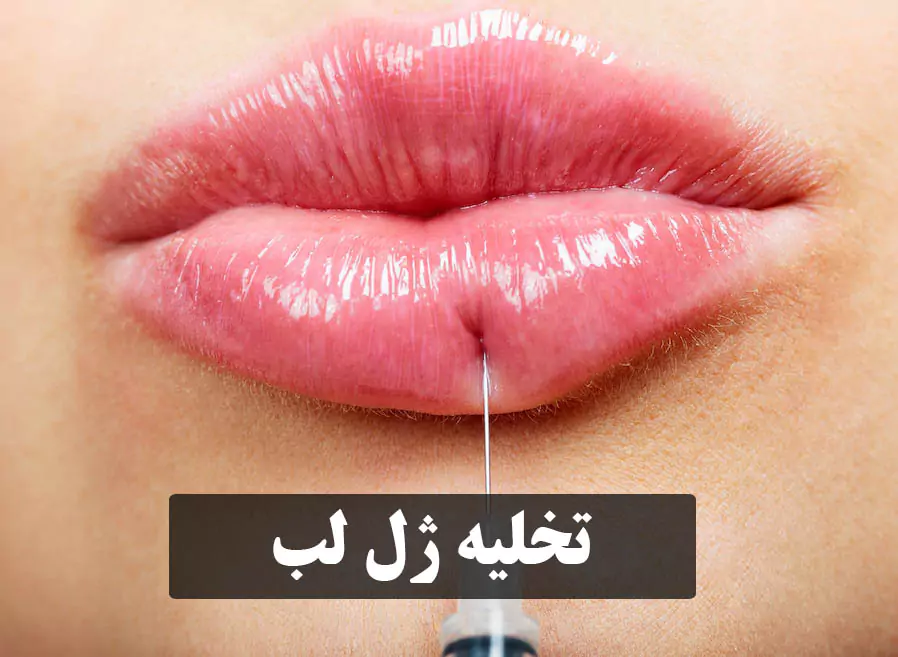
تخلیه ژل لب

هزینه تخلیه ژل لب

هزینه تخلیه ژل لب به چند عامل بستگی دارد از جمله مکان انجام درمان، میزان ژل موجود در لب ها و تخصص پزشک. به طور کلی، هزینه تخلیه ژل لب بین ۵۰۰ هزار تومان تا ۱ میلیون تومان متغیر است.

نتیجه گیری تخلیه ژل لب

انتخاب روش مناسب برای تخلیه ژل لب بستگی به نوع ژل، میزان ژل موجود، و وضعیت خاص بیمار دارد. در اغلب موارد، استفاده از هیالورونیداز به عنوان سریع ترین و موثرترین روش توصیه می شود. اگر ژل در اعماق پوست تزریق شده باشد یا روش های غیرجراحی نتیجه ای ندهند، ممکن است روش های جراحی یا مکانیکی بهترین گزینه باشند. برای هر فرد، بهترین روش باید توسط پزشک متخصص تعیین شود تا از عوارض جانبی جلوگیری شود.

همچنین، مهم است که پیش از تصمیم گیری برای تخلیه ژل لب، مشاوره دقیقی با پزشک خود داشته باشید تا از انتخاب روش مناسب اطمینان حاصل کنید.

تخلیه ژل لب یکی از روش های مؤثر و سریع برای برگشت به فرم طبیعی لب ها پس از تزریق ژل است. اگر شما از نتایج تزریق ژل راضی نیستید یا دچار عوارض جانبی شده اید، تخلیه ژل لب می تواند راه حلی مناسب باشد. با این حال، مهم است که این فرآیند را تنها تحت نظر پزشکان متخصص انجام دهید تا از عوارض جانبی و خطرات جلوگیری کنید.

با رعایت مراقبت های لازم پس از تخلیه ژل لب، شما می توانید به سرعت به حالت طبیعی خود بازگردید و از نتایج دلخواه بهره مند شوید.

 

5/5 - (1 امتیاز)
سارا ارجمند
سارا ارجمند
متخصص زیبایی و جوانسازی پوست و مو

دیدگاهتان را بنویسید

نشانی ایمیل شما منتشر نخواهد شد. بخش‌های موردنیاز علامت‌گذاری شده‌اند *